Noninvasive Outpatient Care
Uses magnetic pulses to target mood-regulating brain regions. Sessions run 19–40 minutes over several weeks with no anesthesia, surgery, or downtime required.

Quick Summary / Key Takeaways
TMS is a noninvasive, FDA-cleared brain stimulation therapy for treatment-resistant depression. For Cape Coral residents, choosing the right provider involves evaluating clinical expertise, treatment schedules, and insurance processes beyond simple geographic proximity.
Uses magnetic pulses to target mood-regulating brain regions. Sessions run 19–40 minutes over several weeks with no anesthesia, surgery, or downtime required.
Located on Winkler Road in Fort Myers, the clinic specifically serves Cape Coral patients seeking specialized, psychiatrist-led depression care.
Led by Dr. Zaheer Aslam, board-certified in General & Addiction Psychiatry since 2007, ensuring comprehensive evaluations and personalized care plans.
Many major insurance policies cover TMS for depression with prior authorization. The clinic team directly assists in verifying benefits and prior treatment records.
If you live in Cape Coral and are looking for options beyond standard depression treatment, transcranial magnetic stimulation, or TMS, may be worth discussing with a psychiatric provider. TMS is a noninvasive treatment that uses magnetic pulses to stimulate brain areas involved in mood regulation. It is often considered when depression has not improved enough with medications or psychotherapy.
For Cape Coral patients, choosing a TMS provider is about more than finding the closest office. Because treatment is delivered over a series of visits, it helps to understand the clinical approach, appointment schedule, provider experience, insurance process, and what happens before the first session. TMS and Ketamine Clinic of Southwest Florida provides TMS therapy in Fort Myers and lists Cape Coral among the communities it serves.
TMS, also called repetitive transcranial magnetic stimulation or rTMS, uses an electromagnetic coil placed against the scalp to deliver repeated magnetic pulses. According to the National Institute of Mental Health, rTMS is a noninvasive form of brain stimulation, and the U.S. Food and Drug Administration has cleared TMS devices for several indications, including treatment-resistant depression.
TMS does not require surgery or an incision. For depression treatment, Mayo Clinic explains that the magnetic pulses are directed toward brain regions involved in mood control. Treatment is performed on an outpatient basis, and anesthesia is not required.
TMS is not right for every person with depression. A psychiatric evaluation can help determine whether your diagnosis, treatment history, medications, and medical history make it an appropriate option.
Patients often search for “TMS near me” or “TMS therapy Cape Coral” because repeated appointments make convenience important. Still, location should be only one part of the decision. The quality of the evaluation and treatment plan matters too.
TMS and Ketamine Clinic of Southwest Florida is located at 6700 Winkler Road, Suite 8, in Fort Myers. The practice specifically identifies Cape Coral as part of its patient service area. For someone who lives in Cape Coral, that can make a Fort Myers clinic a practical option to consider when comparing providers across Southwest Florida.
Before committing to a course of care, ask how often you will need to come in, how long each appointment generally lasts, and how the clinic handles scheduling around work, school, caregiving, or other responsibilities. The clinic’s
TMS therapy page notes that individual sessions can vary in length and that treatment typically occurs over a period of several weeks.
Cape Coral → Fort Myers
TMS involves a series of appointments, so convenience matters. But the evaluation, treatment plan, and clinical support deserve equal attention.
A Fort Myers clinic can be a practical option for patients traveling from Cape Coral.
Ask how frequently sessions occur and how long you should expect to be at the clinic.
Consider provider experience, psychiatric oversight, and how your treatment plan is developed.
Ask about insurance authorization, eligibility requirements, and potential out-of-pocket costs.
A TMS consultation should help you understand both the treatment and the team providing it. Look beyond equipment or advertising claims and consider the full clinical process.
TMS is a medical treatment. A thoughtful evaluation should confirm the diagnosis being treated, review previous medication and therapy history, and identify health or safety factors that may affect treatment. This is also the time to discuss other symptoms or diagnoses that could influence the treatment plan.
Ask how the provider determines the treatment protocol, what a typical course looks like, and how progress is monitored. Treatment plans can vary, so the consultation should explain why TMS is appropriate and what the recommended course would involve.
Many people exploring TMS have already tried more than one approach to depression treatment. That makes it useful to choose a practice that can evaluate TMS in the context of broader psychiatric care. TMS and Ketamine Clinic of Southwest Florida is led by Dr. Zaheer Aslam, who is board certified in General Psychiatry and Addiction Psychiatry and has been in private practice since 2007.
No mental health treatment works the same way for everyone. A responsible provider should explain why TMS is being considered, what improvement may look like, how long it can take to assess response, and what options may be discussed if symptoms do not improve enough.
Coverage for TMS can depend on the insurance plan, diagnosis, and medical-necessity requirements.
Mayo Clinic notes that many policies cover rTMS for depression but may require documentation of previous antidepressant treatment. Before treatment begins, ask the clinic what plans it works with, what prior authorization may be needed, and what costs you may be responsible for. Because coverage policies can change, verify benefits directly with your insurer as well.
Discuss symptoms, diagnosis, medications, previous treatment and relevant medical history.
The provider considers whether TMS fits your situation and reviews relevant safety factors.
If TMS is recommended, the team explains the protocol, schedule and what to expect.
Your first treatment establishes the appropriate treatment location and stimulation settings.
Your first step is usually a consultation rather than immediate treatment. The provider may review your symptoms, psychiatric history, medications, previous therapy, medical conditions, and any history that could affect the safety of magnetic stimulation. Mayo Clinic advises patients to tell their provider about implanted metal or electronic devices, seizure history, other mental health conditions, neurological conditions, and current medications or supplements.
If TMS is recommended, the team should explain how the first treatment visit is different from later sessions. The initial visit may involve determining the treatment location and stimulation settings. You should also receive guidance about what to expect during treatment, possible side effects, and when to contact the office with concerns.
The TMS and Ketamine Clinic of Southwest Florida describes its TMS program as an outpatient treatment that does not require downtime. Its website also notes that sessions may take approximately 19 to 40 minutes, depending on the individual treatment plan.
Considering TMS from Cape Coral? A consultation can help clarify whether the treatment fits your history and what the visit schedule would involve. Contact the Fort Myers clinic to discuss next steps.
A consultation is a good opportunity to compare clinics on the details that will affect your care. Consider asking:
The answers should be clear enough that you understand both the medical plan and the practical commitment before you begin.
People do not always need to think of TMS as a completely separate path from other mental health care. Depending on the individual, a psychiatrist may consider TMS alongside medication management, psychotherapy, or other treatments. The best plan depends on the diagnosis, treatment history, current symptoms, and personal goals.
For people who have tried several approaches, a psychiatric evaluation can help place TMS within a more complete depression treatment plan rather than treating it as an isolated option.
If you live in Cape Coral and are exploring TMS, you do not have to decide whether to begin treatment before speaking with a provider. A consultation can help you understand whether TMS may be appropriate, what the schedule would look like, and what other options may deserve consideration.
TMS and Ketamine Clinic of Southwest Florida provides psychiatrist-led mental health care in Fort Myers and serves patients from Cape Coral and other Southwest Florida communities. Learn more about the clinic’s
TMS therapy program, meet
Dr. Zaheer Aslam and the clinical team, or
contact the Fort Myers office to schedule a consultation.
This article is for educational purposes and does not replace a medical evaluation. If you are in immediate danger or having thoughts of suicide, call 911 or call or text 988 Suicide & Crisis Lifeline.
Questions & Answers
Yes. TMS and Ketamine Clinic of Southwest Florida is located in Fort Myers and lists Cape Coral within its patient service area. Patients should confirm appointment availability and scheduling directly with the clinic.
Appointment length varies by protocol and provider. The clinic states that its individual TMS sessions may take approximately 19 to 40 minutes. Your care team can give you a more specific estimate based on the recommended treatment plan.
TMS does not use anesthesia, and many patients can return to normal activities after a session. Mayo Clinic notes that patients generally do not need someone to drive them home, although a person may prefer a ride after the first treatment until they know how they feel. Follow the instructions provided by your treating clinician.
Coverage varies by insurer and plan. Some policies cover TMS for depression when medical-necessity requirements are met. Ask the clinic about its current insurance participation and authorization process, and confirm your individual benefits directly with your insurer.
Knowing that you are not alone is of utmost importance. Seek assistance for depression today!

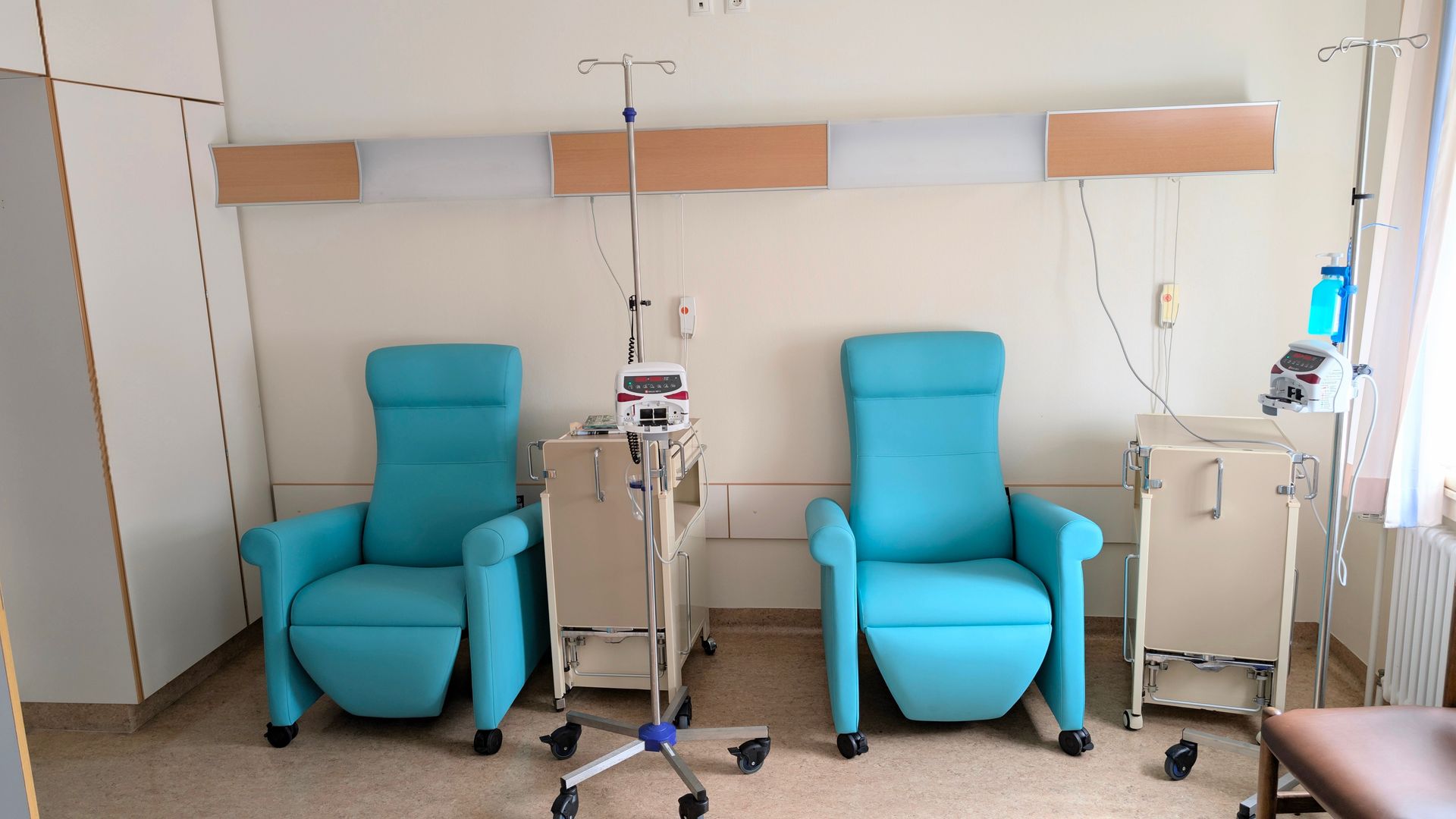




The TMS and Ketamine Clinic of Southwest Florida is deeply committed to your mental well-being. Whether you're a Fort Myers resident or commuting from the surrounding area, our experienced psychiatrist and trained mental health professionals are here to guide you toward a life of clarity and purpose. Many of our FDA-cleared mental health treatments, including TMS therapy, Ketamine infusion therapy, and SPRAVATO® esketamine treatment, are non-invasive and covered by insurance, ensuring accessible depression and anxiety treatment for those in need.
CareCredit is a health and wellness credit card that provides flexible financing options, allowing you to pay over time for the care you desire or require. Accepted at more than 260,000 locations, we are delighted to provide CareCredit to individuals in need of financial support for their TMS or Ketamine treatment. If you have any questions, please reach out to one of our team members for additional details. Also, you can easily scan the QR code displayed here to prequalify or conveniently pay your bill online.