Treatment Timeline & Commitment
TMS involves 19–40 minute sessions delivered 5 days a week for 4 to 6 weeks. Planning early ensures your stay covers the full course.

Quick Summary / Key Takeaways
Seasonal residents managing treatment-resistant depression can undergo TMS therapy during their stay in Southwest Florida. Early planning ensures your travel schedule aligns with a typical 4-to-6-week treatment course without interrupting your seasonal routine.
TMS involves 19–40 minute sessions delivered 5 days a week for 4 to 6 weeks. Planning early ensures your stay covers the full course.
FDA-cleared for treatment-resistant depression with no anesthesia or downtime required, allowing you to maintain daily seasonal activities.
Gather prior treatment records, diagnoses, and medication histories before your visit to ensure seamless continuity between your home and local clinicians.
Led by Dr. Zaheer Aslam, the Fort Myers clinic serves seasonal residents in Cape Coral, Estero, Sanibel, Fort Myers Beach, Iona, Cypress Lake, and Gateway.
Spending part of the year in Southwest Florida can make it easier to enjoy warm weather and a familiar seasonal routine. But if you are also managing depression, your mental health care should not have to wait until you return home.
For seasonal residents, often called snowbirds, transcranial magnetic stimulation can be worth discussing when depression has not improved enough with standard treatment. TMS is a noninvasive outpatient treatment that uses magnetic pulses to stimulate areas of the brain involved in mood. The National Institute of Mental Health describes repetitive TMS as a noninvasive brain stimulation therapy and notes that it is FDA-cleared for treatment-resistant depression.
If you spend several weeks or months in Fort Myers, Cape Coral, Estero, Sanibel, Fort Myers Beach, or another Southwest Florida community, your stay may overlap well with a typical course of treatment. The important step is planning early, because TMS is not usually a one-time appointment.
Many people arrive in Southwest Florida with an established psychiatrist, therapist, or primary care clinician in another state. That does not mean every part of treatment must happen there. If depression symptoms remain difficult to manage, a seasonal stay can be an opportunity to explore additional options with a local psychiatric team.
At TMS & Ketamine Clinic of Southwest Florida, TMS therapy in Fort Myers is provided as an outpatient treatment and does not require anesthesia or routine recovery time. The clinic states that individual sessions generally take about 19 to 40 minutes and occur over a course of several weeks.
That schedule can make TMS more practical for people living locally for a full winter season rather than visiting for only a few days. TMS is not appropriate for everyone, so a consultation is necessary before deciding whether it belongs in your treatment plan.
Identify when you arrive in Southwest Florida and when you expect to return home.
Give yourself enough time to discuss your symptoms, treatment history and whether TMS is appropriate.
Talk through appointment frequency, travel plans and follow-up before starting treatment.
One of the first questions snowbirds should ask is simple: Do I have enough time here to complete treatment?
According to Mayo Clinic, repetitive TMS for depression is generally delivered daily, five days a week, for about four to six weeks. The exact schedule can vary according to the treatment protocol and the plan recommended by your clinician.
If you know your travel dates in advance, discuss them before beginning treatment. Someone arriving in Fort Myers in early January and staying through March may have more scheduling flexibility than someone leaving Florida in two weeks.
A planning conversation should cover your anticipated start date, expected course length, appointment frequency, upcoming travel, and what happens after the initial treatment series. Ask your treating clinician how missed sessions or schedule changes should be handled rather than assuming they can simply be added at the end.
Treatment schedules vary by patient and protocol. Use your travel dates as a starting point for a conversation with your clinician.
How long will you be in Southwest Florida?
Review your symptoms and treatment history.
Discuss session frequency and upcoming travel.
Know what happens when your Florida season ends.
A clear treatment history can make an evaluation more useful. Before your appointment, gather the information you have available about your mental health care.
This may include your current medication list, medications you have previously tried, prior psychotherapy, psychiatric diagnoses, relevant medical conditions, previous hospitalizations, and any prior TMS or other brain stimulation treatment.
Mayo Clinic also recommends telling the TMS clinician about medications, implanted metal or medical devices, seizure history, other mental health conditions, significant headaches, and previous TMS treatment.
You may also want to ask your home-state clinician how records can be shared. If you return north after treatment, an organized summary of your care can make follow-up conversations easier.
Gather whatever information is available from your home-state providers before your appointment.
For many seasonal residents, the appeal of TMS is not just that it is outpatient care. It is also that treatment can often fit around normal daily activities.
TMS & Ketamine Clinic of Southwest Florida describes its TMS treatment as requiring no downtime, and Mayo Clinic notes that TMS does not require anesthesia. That can make it easier to plan sessions around work, family visits, exercise, errands, or time with friends.
Still, every patient can respond differently. Some people report temporary scalp discomfort, headache, tingling, lightheadedness, or facial muscle twitching. Discuss any symptoms you experience with the treatment team.
For a seasonal resident, consistency matters. A schedule that looks manageable on paper should also be realistic once travel, guests, medical appointments, and other commitments fill the calendar.
TMS does not have to exist in isolation from the rest of your mental health treatment. Your clinician may recommend continuing other parts of your care, depending on your individual situation.
If you are already taking psychiatric medication, do not stop, reduce, or change it simply because you are starting TMS. Medication decisions should be made with the clinician managing your prescriptions. The clinic also offers medication management in Fort Myers for patients who need psychiatric follow-up while they are living in Southwest Florida.
The National Institute of Mental Health explains that TMS is one of several brain stimulation therapies used in mental health care. A psychiatric evaluation helps determine whether TMS, medication, psychotherapy, another treatment, or a combination of approaches is appropriate.
TMS & Ketamine Clinic of Southwest Florida is led by board-certified psychiatrist Dr. Zaheer Aslam and also provides medication management, ketamine infusion therapy, and SPRAVATO treatment. You can learn more about the clinic's psychiatrist-led approach on its About Us page.
Before committing to a treatment series, make sure you understand both the clinical plan and the logistics:
Getting these answers early can help you plan your winter schedule around care instead of trying to fit treatment into the final weeks of your stay.
If you are considering TMS while living seasonally in Southwest Florida, earlier planning gives you more scheduling options. Start by identifying how long you expect to remain in the area. Then gather your treatment history and schedule an evaluation. During that visit, ask specifically how the recommended course fits your departure date.
The clinic serves patients from Fort Myers and surrounding communities, including Cape Coral, Estero, Sanibel, Fort Myers Beach, Iona, Cypress Lake, and Gateway. For snowbirds who spend a meaningful portion of the year here, receiving care locally can reduce the need to postpone a treatment conversation until the season ends.
Depression can follow you from one home to another. Your treatment plan should account for the life you are actually living, including where you spend the winter and how long you will be in Southwest Florida.
If previous depression treatments have not provided enough relief, TMS may be worth discussing with a qualified clinician. A consultation can help determine whether you are a candidate, how treatment could fit your seasonal schedule, and what information is needed from your existing providers.
Contact TMS & Ketamine Clinic of Southwest Florida to schedule a consultation in Fort Myers and talk through your travel dates, treatment history, and next steps.
Questions & Answers
Mayo Clinic states that repetitive TMS for depression is generally performed five days a week for four to six weeks. Your actual course may differ depending on the protocol and your clinician's recommendation.
TMS & Ketamine Clinic of Southwest Florida states that individual sessions can take approximately 19 to 40 minutes. Your first appointment or mapping visit may take longer than a routine treatment session.
It depends on your departure date and the schedule recommended for you. Because TMS usually requires a series of appointments, discuss your travel timeline before starting treatment.
Do not change psychiatric medication unless the clinician managing it tells you to do so. TMS may be used alongside other parts of a depression treatment plan.
Seasonal residents can ask a local clinic about evaluation and treatment while they are living in Florida. Bring or arrange access to relevant records and ask how information and follow-up should be coordinated.
Knowing that you are not alone is of utmost importance. Seek assistance for depression today!
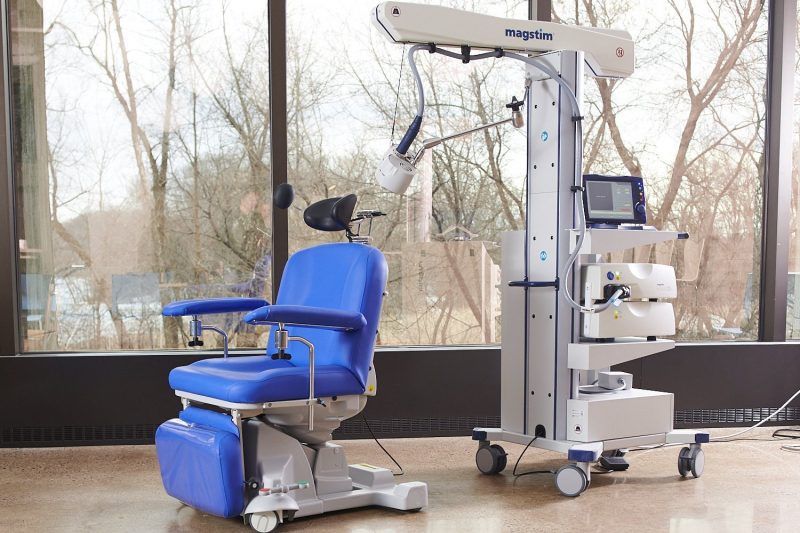
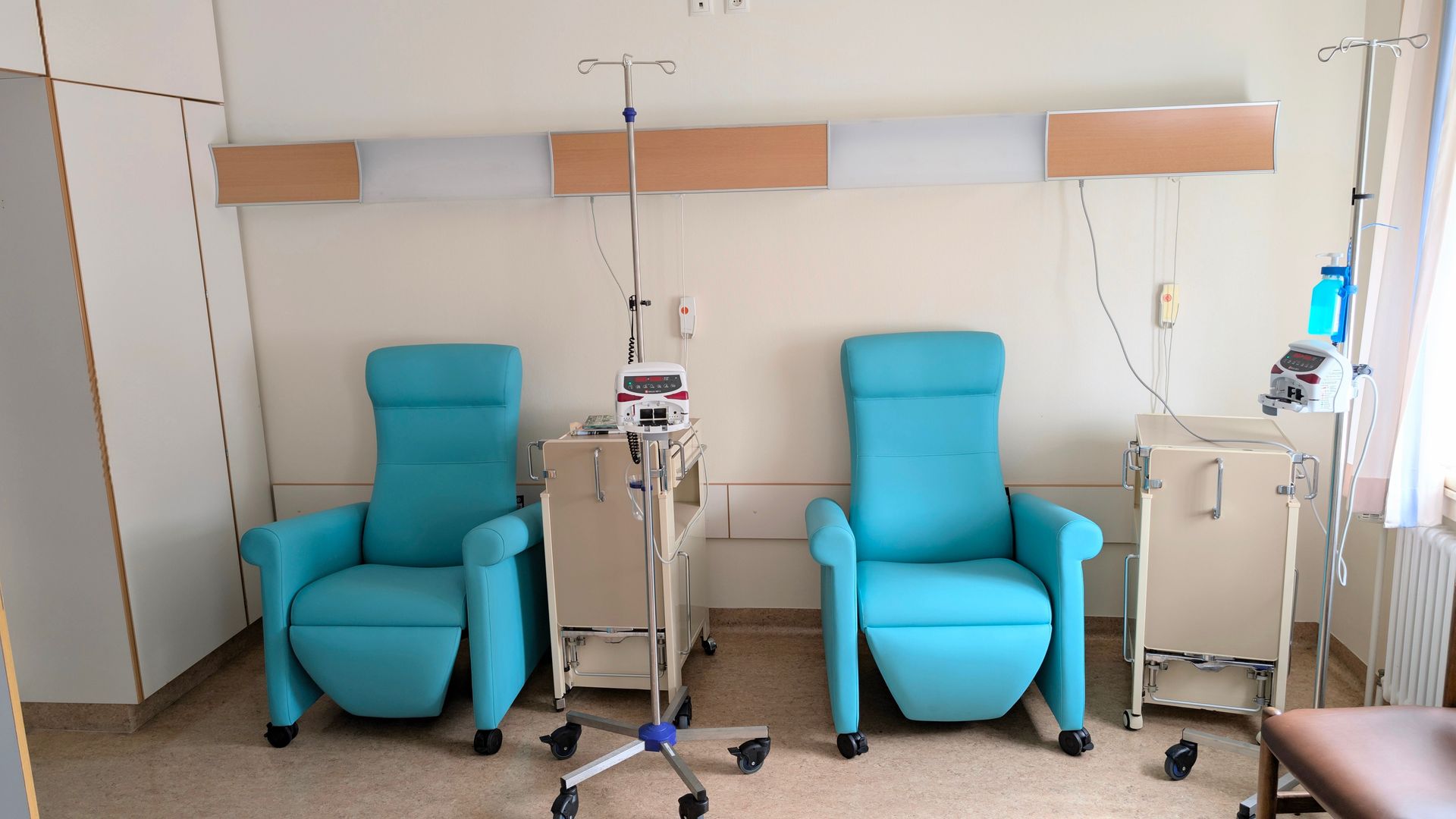




The TMS and Ketamine Clinic of Southwest Florida is deeply committed to your mental well-being. Whether you're a Fort Myers resident or commuting from the surrounding area, our experienced psychiatrist and trained mental health professionals are here to guide you toward a life of clarity and purpose. Many of our FDA-cleared mental health treatments, including TMS therapy, Ketamine infusion therapy, and SPRAVATO® esketamine treatment, are non-invasive and covered by insurance, ensuring accessible depression and anxiety treatment for those in need.
CareCredit is a health and wellness credit card that provides flexible financing options, allowing you to pay over time for the care you desire or require. Accepted at more than 260,000 locations, we are delighted to provide CareCredit to individuals in need of financial support for their TMS or Ketamine treatment. If you have any questions, please reach out to one of our team members for additional details. Also, you can easily scan the QR code displayed here to prequalify or conveniently pay your bill online.