Highly Uncommon
Large-scale studies tracking over 10,000 sessions find that headaches and temporary scalp discomfort are the only frequent side effects—not systemic fatigue.
Quick Summary / TL;DR
Clinical data reveals that widespread "mental exhaustion" is an unproven myth. While a tiny percentage of patients experience mild, short term tiredness as their brain builds new neural pathaways, TMS is overwhelmingly well tolerated and lacks the persistent fatigue caused by standard medications.
Large-scale studies tracking over 10,000 sessions find that headaches and temporary scalp discomfort are the only frequent side effects—not systemic fatigue.
Any early, temporary tiredness is simply a product of neuroplasticity—your prefrontal cortex doing real physical work to build and strengthen neural pathways.
Unlike antidepressant side effects that linger for months, mild post-session tiredness usually completely fades within the first week or two of starting care.
Simple lifestyle tweaks like proactive hydration, good sleep hygiene, and putting away digital screens during your session quickly minimize any transient fatigue.
If you're considering Transcranial Magnetic Stimulation (TMS) for depression or anxiety, you've probably done your research. And during that research, you may have come across claims that TMS causes fatigue or "mental exhaustion."
If the potential of fatigue is causing you to hesitate in starting TMS therapy, it's a fair thing to feel. And it's good to have some questions before starting any new treatment. In this blog, we'll separate anecdote from evidence and look at what the clinical research actually shows about TMS and tiredness.
Research found rTMS was generally well tolerated, with most side effects mild to moderate.
Only a small share of patients stopped treatment because of adverse events.
In one large Deep TMS safety analysis, fatigue appeared in a very small number of cases.
The short answer is not really (at least not in the way many people expect). TMS is widely regarded as one of the best-tolerated treatments available for depression.
A meta-review published in Neuropsychiatric Disease and Treatment examined safety data from more than 10,000 cumulative treatment sessions and found that rTMS was well tolerated, with side effects that were mostly mild to moderate. The discontinuation rate due to adverse events was only about 4.5%, and no serious adverse events, such as seizures, were reported. Headaches and scalp discomfort (not fatigue) were identified as the most frequent side effects.
That said, fatigue does show up in some of the data, just far less often than headaches or scalp sensitivity. A large-scale safety analysis of Deep TMS in adolescent depression patients reviewed outcomes from over 1,200 patients across 56 treatment sites. Fatigue was reported as an adverse event in just 0.24% of cases, and the treatment was overall well tolerated, with an adverse event rate comparable to that seen in adults.
In other words, while a small number of patients may notice some tiredness, the research does not support the idea that fatigue is a defining or widespread side effect of TMS.
For the patients who do notice fatigue, there are a few plausible explanations rooted in how TMS works.
TMS delivers repeated magnetic pulses to stimulate underactive regions of the brain, most commonly the dorsolateral prefrontal cortex. This stimulation is designed to promote neuroplasticity, the strengthening and reorganization of neural connections. Just as a workout leaves your muscles fatigued as they repair and strengthen, increased neural activity during and after a session can leave some patients feeling mentally tired, particularly during the first week of treatment.
The magnetic coil is placed against the scalp, and for some patients, this can cause mild tension in the scalp or jaw muscles. That tension can contribute to a tension-type headache, which in turn can feel like generalized fatigue.
Interestingly, research suggests TMS may influence sleep, though the direction of that influence appears to depend on the individual. One study found that routine rTMS treatment was associated with improved sleep duration, reduced depressive symptoms, and better quality of life in patients with treatment-resistant depression or severe depression.
Other studies have found more mixed results, suggesting that the relationship between TMS and sleep is still being understood. For some patients, an adjustment period as sleep patterns shift may contribute to short-term tiredness.
Across the research, a consistent theme emerges: when fatigue does occur, it is almost always mild and temporary. It typically appears early in a treatment course (often within the first week) and tends to resolve as patients continue their sessions. This pattern mirrors other common TMS side effects, such as scalp discomfort and headache, which also tend to diminish with repeated exposure as the body adjusts to treatment.
This is an important distinction from medication related fatigue, which can persist for the duration of a prescription and contributes to many patients discontinuing antidepressants altogether. TMS therapy's favorable tolerability profile is one of the key reasons it has become a preferred option for patients who have struggled with side effects from pharmacological treatments.
If you do notice tiredness during your TMS treatment course, these strategies may help:
TMS is not commonly associated with significant fatigue, and when tiredness does occur, it is typically mild and short-lived. For most patients, TMS remains one of the gentlest, most well-tolerated treatment options available for depression and anxiety, particularly compared to the side effect profiles of many psychiatric medications.
If you've been hesitant to try TMS because of concerns about fatigue or other side effects, we encourage you to speak with our clinical team, who can walk you through what to realistically expect based on your individual health history.
At the TMS and Ketamine Clinic of Southwest Florida, we believe informed patients make the best treatment decisions. Our team is happy to answer your questions about what TMS treatment looks like, how it feels, and whether it's the right fit for your mental health goals.
Schedule a consultation today and take the next step toward lasting relief.
Questions & Answers
No, clinical data does not support the idea that fatigue is a widespread or defining side effect. A meta-review tracking over 10,000 treatment sessions demonstrated that TMS is remarkably well-tolerated, with headaches and minor scalp discomfort identified as the only frequent side effects. Furthermore, a large safety analysis of Deep TMS across 56 clinical sites reported fatigue as an adverse event in just 0.24% of cases.
When minor tiredness occurs, it is typically due to three clinical factors: the brain is undergoing a "neural workout" to promote neuroplasticity in underactive regions (the prefrontal cortex); mild muscle tension in the jaw or scalp from the magnetic coil can cause minor tension headaches that mimic generalized fatigue; or the individual's sleep architecture is actively adjusting to the therapy.
Unlike antidepressant medications—where fatigue can persistently remain for the entire duration of a prescription—any tiredness related to TMS is almost always mild and temporary. It typically manifests only during the first week of treatment and resolves naturally as your body adapts to the repeated magnetic stimulation sessions.
You can comfortably manage and reduce potential tiredness by keeping a consistent schedule of 7 to 8 hours of sleep, staying properly hydrated to prevent localized headaches, putting away digital screens to avoid unnecessary eye strain or cognitive load during treatment, and adding a brief walk before or after your appointment to improve blood circulation.
If tiredness persists beyond the initial adjustment window or feels highly disruptive, you should immediately discuss it with your clinical team. Your provider can thoroughly review your medical profile, evaluate outer variables like medication interactions, and adjust your specific TMS protocol to better fit your comfort and needs.
Knowing that you are not alone is of utmost importance. Seek assistance for depression today!

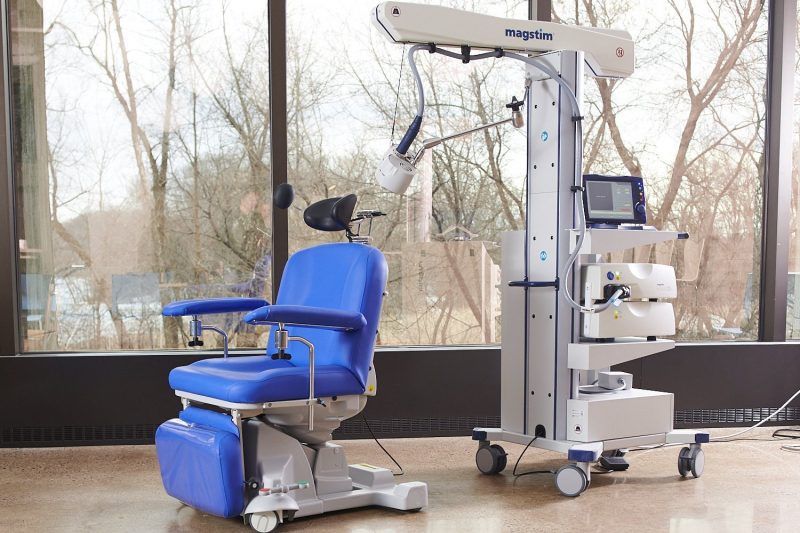
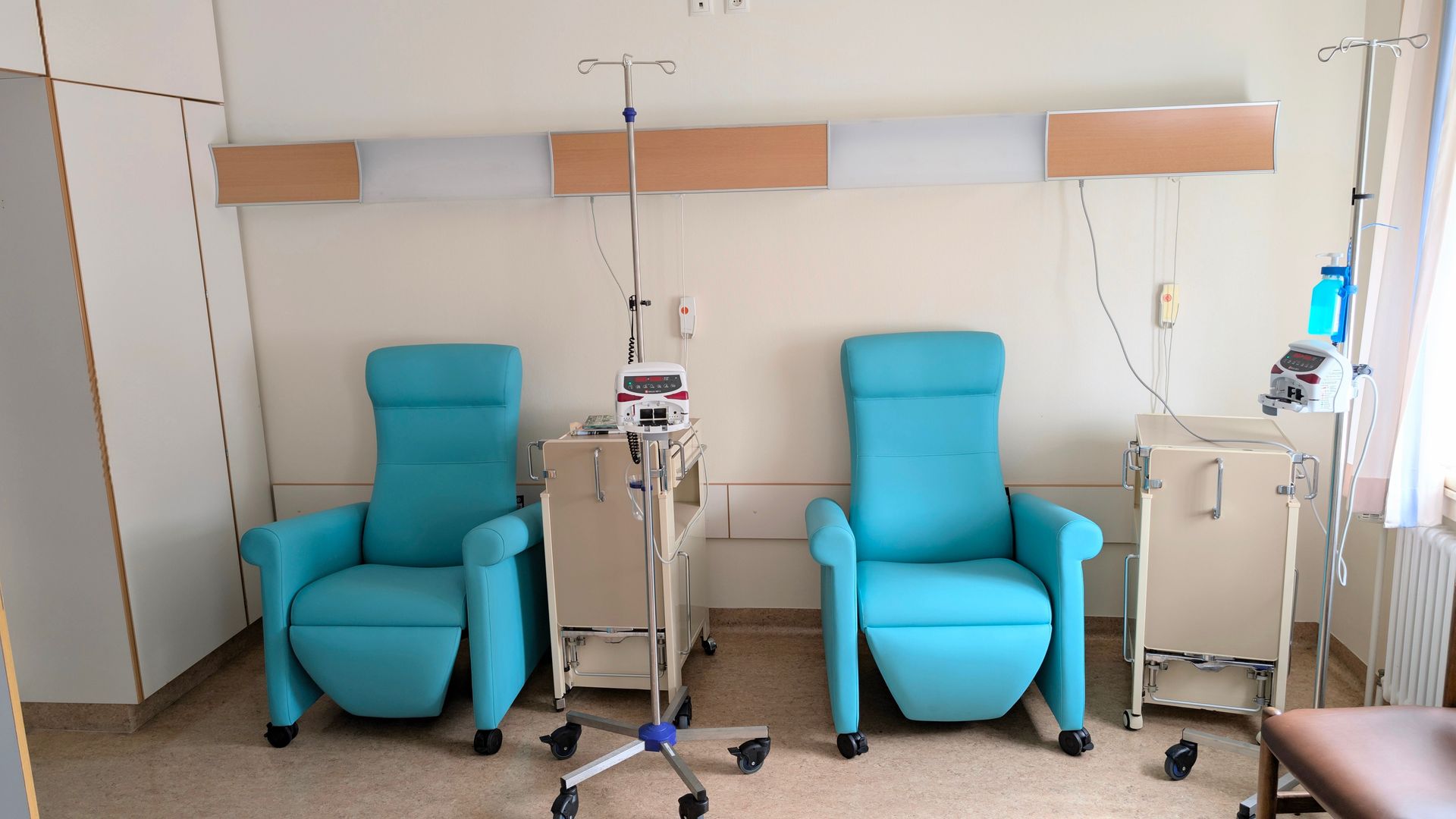



The TMS and Ketamine Clinic of Southwest Florida is deeply committed to your mental well-being. Whether you're a Fort Myers resident or commuting from the surrounding area, our experienced psychiatrist and trained mental health professionals are here to guide you toward a life of clarity and purpose. Many of our FDA-cleared mental health treatments, including TMS therapy, Ketamine infusion therapy, and SPRAVATO® esketamine treatment, are non-invasive and covered by insurance, ensuring accessible depression and anxiety treatment for those in need.
CareCredit is a health and wellness credit card that provides flexible financing options, allowing you to pay over time for the care you desire or require. Accepted at more than 260,000 locations, we are delighted to provide CareCredit to individuals in need of financial support for their TMS or Ketamine treatment. If you have any questions, please reach out to one of our team members for additional details. Also, you can easily scan the QR code displayed here to prequalify or conveniently pay your bill online.