Active vs. Passive
TMS utilizes magnetic pulses to actively stimulate tissue and promote neuroplasticity. Neurofeedback monitors and feeds back real-time brainwaves for self-regulation.
Quick Summary / TL;DR
While both are advanced, non-invasive therapies that bypass traditional medication side effects, they differ significantly in clinical validation. TMS directly stimulates targeted emotional networks for clinically significant outcomes, whereas Neurofeedback focuses on passive self-regulation training.
TMS utilizes magnetic pulses to actively stimulate tissue and promote neuroplasticity. Neurofeedback monitors and feeds back real-time brainwaves for self-regulation.
TMS is backed by extensive, large-scale clinical trials and holds FDA clearances for MDD, anxious depression, OCD, and smoking cessation.
For treatment-resistant depression, TMS shows a 50% to 60% clinical response rate, outperforming neurofeedback's limited, small-sample data.
TMS precisely modulates the prefrontal networks involved in depression, anxiety, and PTSD, serving as an effective standalone clinical treatment.
When it comes to non-invasive, drug-free options for treating depression, anxiety, and other mental health conditions, two therapies often come up in the same conversation: Transcranial Magnetic Stimulation (TMS) and neurofeedback. Both are brain-based treatments that avoid medication. And both have attracted growing interest from patients who want more than what traditional psychiatry has offered them.
But they are not equals in how they work, the strength of evidence behind them, or the conditions they can effectively treat. If you're weighing your options, here's what you need to know.
Neurofeedback, also called EEG biofeedback, is a type of brain training therapy. During a session, sensors are placed on the scalp to monitor real-time brainwave activity. That information is fed back to the patient, typically through visual or audio cues on a screen, with the goal of helping the brain "learn" to self-regulate more effectively.
The idea is that by observing your own brainwave patterns and receiving feedback when those patterns shift in a desired direction, you can gradually train your brain toward healthier, more balanced activity.
Neurofeedback has been explored as a treatment for ADHD, PTSD, anxiety, sleep disorders, and depression, and it is FDA-cleared for stress reduction. Its appeal lies in its passive, non-stimulating approach as it does not involve external stimulation of any kind.
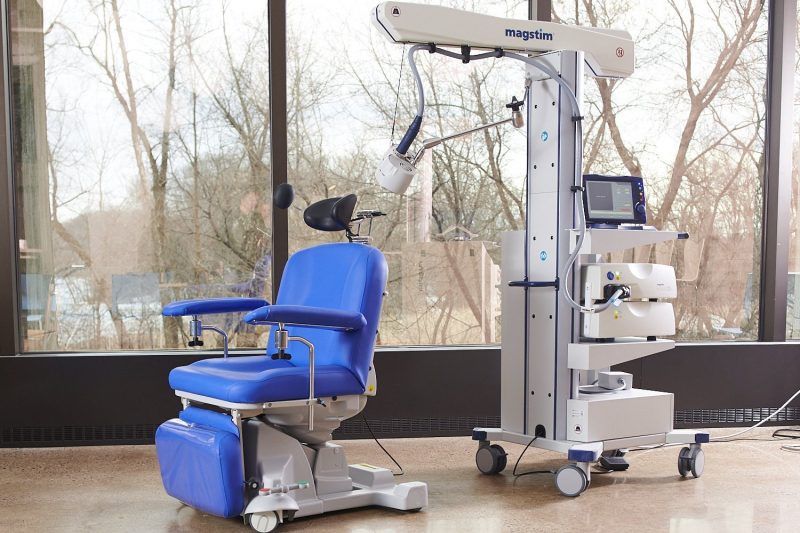
Transcranial Magnetic Stimulation is an FDA-cleared, evidence-based treatment that uses focused magnetic pulses to stimulate specific regions of the brain involved in mood regulation. A TMS coil is positioned near the scalp, and brief electromagnetic pulses are delivered to targeted areas, most commonly the dorsolateral prefrontal cortex (DLPFC), a region closely associated with depression, anxiety, and emotional regulation.
Unlike neurofeedback, TMS actively stimulates brain tissue rather than simply observing or providing feedback about it. This direct stimulation promotes neuroplasticity (the brain's ability to form new neural connections) and can help restore healthier patterns of activity in circuits that have become dysregulated by depression or other mood disorders.
TMS therapy sessions typically last 20 to 40 minutes and are performed five days per week over several weeks. No sedation is required, and the
side effects of TMS are minimal and typically fade as treatment progresses.
TMS has one of the most robust evidence bases in modern psychiatry. A comprehensive consensus review published in Clinical Neurophysiology and endorsed by the National Network of Depression Centers and the Clinical TMS Society reviewed thousands of studies and concluded that TMS "continues to demonstrate broad evidence for safety and efficacy in treating depression," and that newer TMS protocols are faster and potentially more effective than earlier versions.
The FDA first cleared TMS for major depressive disorder in 2008, and it has since received clearance for OCD, anxious depression, and smoking cessation as well. For anxiety specifically, research found that TMS demonstrated large treatment effects for both Generalized Anxiety Disorder (GAD) and PTSD.
Neurofeedback, by contrast, has a far more limited evidence base. A systematic review conducted by the Canadian Agency for Drugs and Technologies in Health found that the quality of available evidence for neurofeedback in mood and anxiety disorders was compromised by insufficient data, small sample sizes, and methodological weaknesses, making it difficult to draw definitive clinical conclusions.
Similarly, a 2023 systematic review of neurofeedback for PTSD noted that while some studies show promise, most are limited by small samples, inconsistent protocols, and wide variability in results, preventing strong conclusions about its effectiveness in clinical practice.
These findings do not mean neurofeedback is without value. For certain individuals, particularly those seeking a gradual form of brain training, it may provide meaningful support. But when it comes to the depth of scientific validation, TMS therapy has a clear advantage.
For major depressive disorder, especially treatment-resistant depression, TMS is the far stronger clinical choice. Response rates for TMS in patients who have not responded to antidepressant medications typically range from 50% to 60%, with remission rates around 30% to 37%. Many patients who respond to TMS report lasting relief well beyond one year.
Neurofeedback is not FDA-approved for depression and lacks the volume of large, randomized controlled trials needed to establish comparable efficacy. While some smaller studies show symptom improvements, neurofeedback is generally used as a supplementary therapy rather than a standalone treatment for clinical depression.
Both treatments have been studied in the context of anxiety, but again, the evidence for TMS is stronger and more consistent. TMS can precisely target the prefrontal circuits that regulate the stress response and fear processing, making it well-suited to anxious depression and GAD. For patients whose anxiety is bound up with depression (a very common presentation), TMS may address both symptom sets within a single course of treatment.
Neurofeedback may offer some benefit for anxiety, particularly in younger populations or as a complement to other treatments. However, the current evidence base does not support it as a first-line or primary treatment for anxiety disorders.
The right choice depends on your diagnosis, your history with other treatments, and your treatment goals.
TMS may be the better option if you:
Neurofeedback may be worth exploring if you:
In some cases, the two treatments are not mutually exclusive. Some patients benefit from combining neurofeedback's self-regulation training with TMS's active neural stimulation.
At the TMS and Ketamine Clinic of Southwest Florida, we specialize in advanced, evidence-based neuromodulation therapies for patients who deserve more than a standard medication regimen. Our experienced clinical team provides comprehensive evaluations to ensure you receive treatments that are most likely to deliver lasting relief.
If you've been wondering whether TMS is right for you, you don't have to keep searching for answers. Let us help you find them. We'll take the time to understand your history, your symptoms, and your goals, and work with you to build a personalized plan.
Contact us for a consultation today.
Questions & Answers
The primary difference lies in active modulation versus passive observation. TMS actively stimulates specific brain structures (like the dorsolateral prefrontal cortex) using targeted magnetic pulses to restore neural connectivity. Neurofeedback is a passive form of brain training that monitors real-time brainwave activity and uses visual or audio cues to help you learn to self-regulate.
TMS holds a significantly more robust, large-scale evidence base in modern psychiatry. It has been FDA-cleared since 2008 for Major Depressive Disorder (MDD) and has subsequently earned clearances for anxious depression, OCD, and smoking cessation. Neurofeedback has limited, smaller-sample clinical data, with systemic reviews indicating weaknesses and insufficient data to confirm clinical efficacy for mood and anxiety disorders.
For individuals dealing with treatment-resistant depression, TMS shows highly encouraging clinical numbers. Studies show response rates typically range between 50% to 60%, with full clinical remission rates sitting around 30% to 37%, providing lasting relief that often extends well beyond a year.
Yes, effectively. TMS is well-suited to treat co-occurring anxiety or "anxious depression" because it directly targets and modulates the prefrontal networks responsible for regulating both low mood and overactive fear or stress processing. Large-scale reviews confirm that existing anxiety does not lessen the clinical effectiveness of TMS treatments.
TMS is generally the primary recommendation if you are diagnosed with major depression, anxious depression, PTSD, or OCD, particularly if standard medications haven't worked. Neurofeedback may be an option to explore if your goals center around mild symptom management, cognitive performance training, or as a passive complement to broader care.
Knowing that you are not alone is of utmost importance. Seek assistance for depression today!

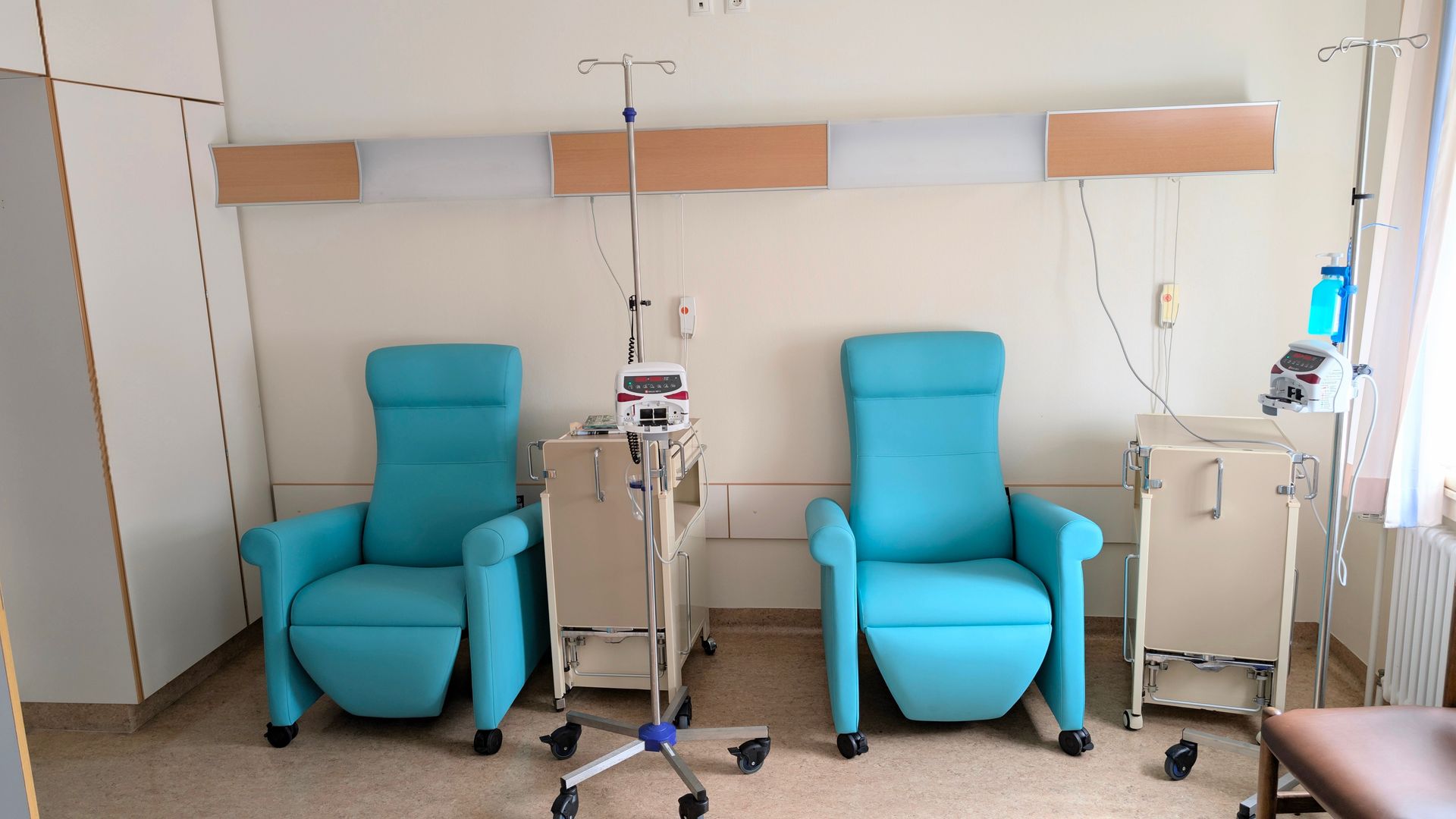



The TMS and Ketamine Clinic of Southwest Florida is deeply committed to your mental well-being. Whether you're a Fort Myers resident or commuting from the surrounding area, our experienced psychiatrist and trained mental health professionals are here to guide you toward a life of clarity and purpose. Many of our FDA-cleared mental health treatments, including TMS therapy, Ketamine infusion therapy, and SPRAVATO® esketamine treatment, are non-invasive and covered by insurance, ensuring accessible depression and anxiety treatment for those in need.
CareCredit is a health and wellness credit card that provides flexible financing options, allowing you to pay over time for the care you desire or require. Accepted at more than 260,000 locations, we are delighted to provide CareCredit to individuals in need of financial support for their TMS or Ketamine treatment. If you have any questions, please reach out to one of our team members for additional details. Also, you can easily scan the QR code displayed here to prequalify or conveniently pay your bill online.