Dual-Action Relief
TMS stimulates the prefrontal cortex to restore healthy activity in networks governing both emotional mood and the fear response.
Quick Summary / TL;DR
When depression and anxiety co-occur—often called "anxious depression"—standard medications may not provide full relief. TMS targets the brain networks responsible for mood and stress regulation, addressing racing thoughts and physical tension alongside low mood.
TMS stimulates the prefrontal cortex to restore healthy activity in networks governing both emotional mood and the fear response.
Research indicates TMS can reduce GAD and PTSD symptoms at rates comparable to or greater than depression-only trials.
Sessions are non-sedating and non-invasive, allowing you to return to work or daily activities immediately after treatment.
Studies show comorbid anxiety does not reduce TMS effectiveness for depression, making it a powerful tool for complex cases.
If you've been living with both depression and anxiety, you're not alone, and you're not imagining how much harder that combination makes daily life.
Many people who struggle with depression also experience persistent anxiety symptoms, from racing thoughts and excessive worry to physical tension and panic. The two conditions can be deeply intertwined, and treating one without addressing the other often leads to incomplete relief.
At the TMS and Ketamine Clinic of Southwest Florida, we frequently hear from patients who've tried medications or therapy but still feel caught in a cycle of both depression and anxiety. Emerging research shows that Transcranial Magnetic Stimulation (TMS) may be effective for both, making it one of the most exciting treatment options we offer.
Transcranial Magnetic Stimulation is a non-invasive, FDA-approved treatment that uses precisely targeted magnetic pulses to stimulate specific areas of the brain associated with mood regulation.
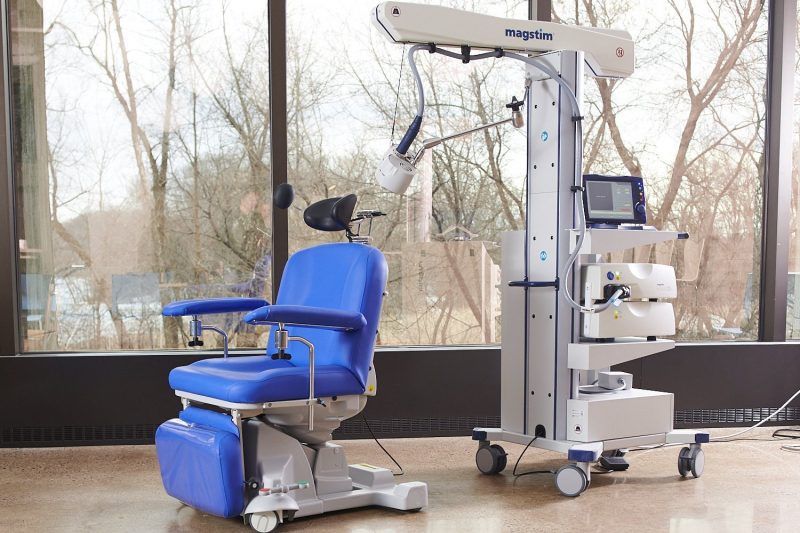
During a TMS session, a device is placed near the scalp and delivers gentle magnetic pulses to the prefrontal cortex, which is the region of the brain involved in emotional processing, decision-making, and regulation of the stress response. Sessions are typically conducted five days a week over several weeks, are non-sedating, and require no downtime (meaning you can return to regular activities immediately after treatment).
TMS is most widely known as a treatment for major depressive disorder (MDD), particularly for patients who have not responded adequately to antidepressant medications.
Depression and anxiety are among the most common mental health conditions in the United States, and they frequently co-occur. Clinicians refer to this presentation as "anxious depression,” a combination that is often harder to treat than either condition alone and is associated with greater functional impairment, lower quality of life, and higher rates of treatment resistance.
For many patients, finding a single treatment that addresses both sets of symptoms is a major challenge. Standard antidepressants may lift mood but leave anxiety symptoms largely unresolved. TMS shows real promise for closing this treatment gap.
Meta-analysis findings suggest TMS may significantly reduce anxiety symptoms in patients who have not responded well to medication or therapy.
Studies found strong treatment effects when TMS targeted the dorsolateral prefrontal cortex involved in fear response and emotional regulation.
Consensus reviews show comorbid anxiety does not appear to reduce TMS effectiveness for depression treatment.
The evidence base for TMS and anxiety is growing steadily, and the results are encouraging.
A comprehensive meta-analysis published in the International Journal of Neuropsychopharmacology reviewed existing clinical literature on TMS as a treatment for Generalized Anxiety Disorder (GAD). The researchers found that TMS reduced anxiety symptoms comparable to or even greater than those seen in TMS trials for major depressive disorder. The authors concluded that TMS "represents an emerging treatment that may have significant clinical utility" for patients with GAD, particularly those who have not responded well to conventional treatments like medication and therapy.
A second study examined TMS across multiple anxiety and trauma-related disorders, including PTSD and GAD. The findings demonstrated large overall treatment effects for both GAD and PTSD, with researchers noting particularly promising results when high-frequency stimulation was applied to the dorsolateral prefrontal cortex. This brain region is a primary target in TMS protocols because of its role in regulating mood, fear responses, and cognitive control over anxiety.
Thirdly, a large-scale consensus review published in
Clinical Neurophysiology and endorsed by the
National
Network of Depression Centers and the
Clinical TMS Society, confirmed that TMS continues to demonstrate broad evidence for safety and efficacy in treating depression, and that newer TMS protocols may be faster and more effective than earlier approaches. Critically, this review noted that the presence of comorbid anxiety does not appear to reduce TMS effectiveness for depression, offering hope for those dealing with both conditions simultaneously.
Both depression and anxiety involve dysregulation in overlapping brain networks, particularly the prefrontal cortex and its connections to the limbic system, which governs emotional responses. When TMS stimulates the left dorsolateral prefrontal cortex, it helps restore healthier activity patterns in these networks.
For patients with anxious depression, clinical evidence and real-world outcomes suggest that TMS can address both the low mood, loss of motivation, and hopelessness associated with depression and reduce the excessive worry, tension, and hyperarousal that characterize anxiety. This dual effect makes TMS a particularly valuable option for patients who have struggled to find relief through medications alone.
TMS may be a strong fit for you if:
TMS is not appropriate for everyone. Individuals with certain implanted metal devices or a history of seizures may not be candidates. A thorough evaluation with our clinical team will help determine whether TMS is right for you.
We take a personalized, evidence-based approach to treatment. Before beginning TMS, our team conducts a comprehensive evaluation to understand your full picture of symptoms, including both depressive and anxiety symptoms, and develops a treatment plan tailored to your needs.
We conduct TMS sessions in a relaxing environment within our clinic to ensure your comfort. Each session typically lasts between 20 and 40 minutes. You can read, listen to music, or simply rest during treatment. There are no medications involved, no anesthesia, and no cognitive side effects. The most common TMS side effects are headaches and mild scalp discomfort at the treatment site, which typically diminish after the first few sessions.
Most patients notice improvement within two to four weeks of starting treatment, though individual timelines vary.
Meet with the clinical team to review symptoms, treatment history, and determine candidacy.
Your treatment protocol is tailored to your unique symptoms and goals.
Sessions typically last 20 to 40 minutes with no anesthesia or recovery period required.
Many patients begin noticing improvements in mood and anxiety symptoms within 2 to 4 weeks.
Living with both depression and anxiety can feel overwhelming, but it doesn't have to stay that way. TMS offers a scientifically supported, non-invasive path toward relief that goes beyond what medication alone can achieve for many patients.
If you'd like to learn more about whether TMS is right for you,
schedule a consultation with us today. Our experienced team is here to answer your questions and help you find a path forward. Relief is possible. Let's find it together.
Questions & Answers
Both conditions involve dysregulation in overlapping brain networks, specifically the prefrontal cortex and its connections to the limbic system. By stimulating the left dorsolateral prefrontal cortex, TMS helps restore healthy activity patterns that regulate both mood and the body's stress response.
Anxious depression is a clinical presentation where major depressive disorder co-occurs with persistent anxiety symptoms like racing thoughts, tension, and panic. This combination is often harder to treat with medication alone and can lead to greater functional impairment in daily life.
No. According to large-scale consensus reviews, the presence of comorbid anxiety does not appear to reduce the effectiveness of TMS for treating depression. In fact, many patients notice improvements in both sets of symptoms within 2 to 4 weeks.
No, TMS is a non-invasive, non-drug medical treatment. It uses magnetic pulses—similar in strength to an MRI—to stimulate brain cells. Because it is not a medication, there are no systemic side effects, no sedation is required, and there is zero downtime after sessions.
Knowing that you are not alone is of utmost importance. Seek assistance for depression today!


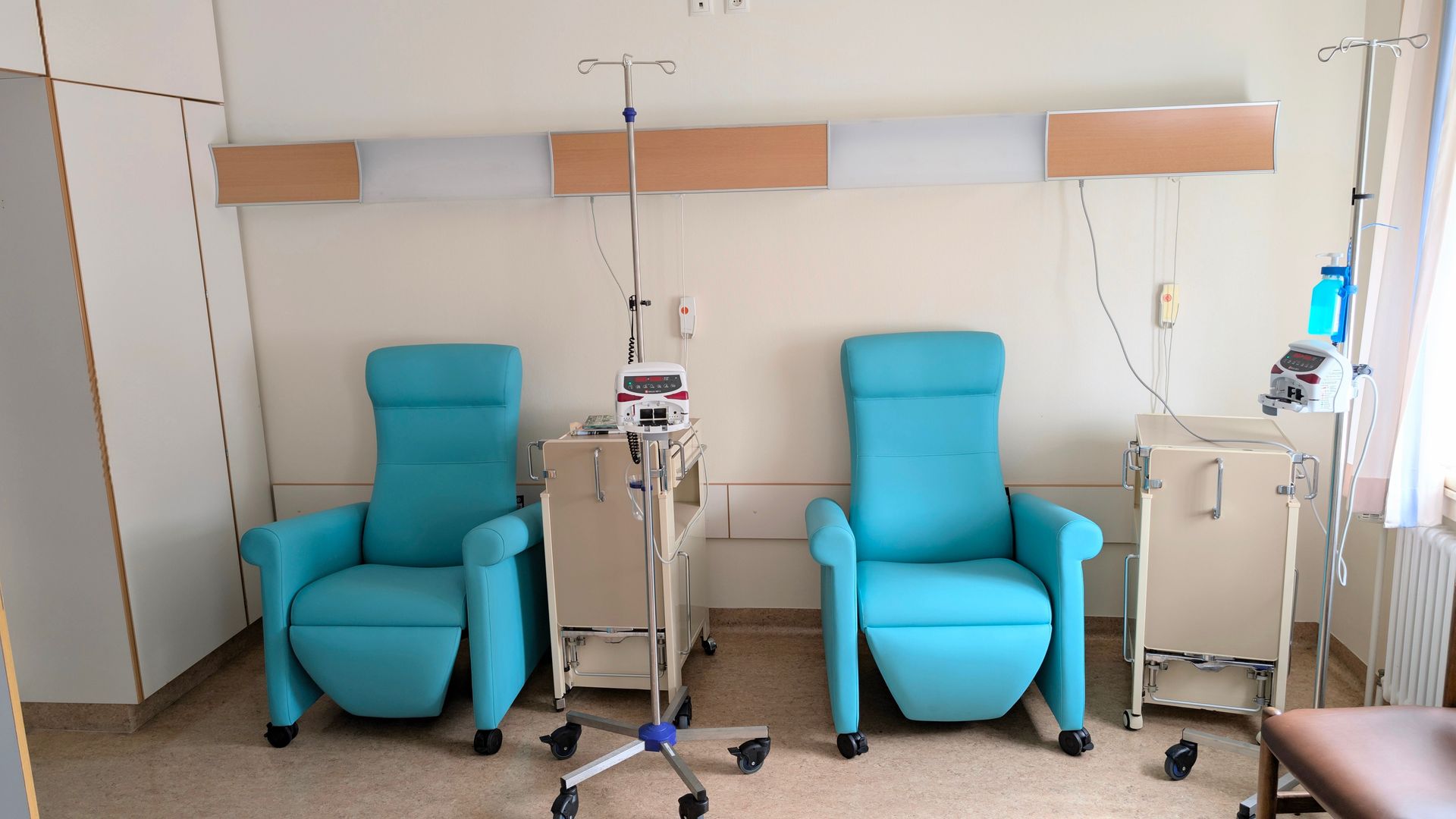


The TMS and Ketamine Clinic of Southwest Florida is deeply committed to your mental well-being. Whether you're a Fort Myers resident or commuting from the surrounding area, our experienced psychiatrist and trained mental health professionals are here to guide you toward a life of clarity and purpose. Many of our FDA-cleared mental health treatments, including TMS therapy, Ketamine infusion therapy, and SPRAVATO® esketamine treatment, are non-invasive and covered by insurance, ensuring accessible depression and anxiety treatment for those in need.
CareCredit is a health and wellness credit card that provides flexible financing options, allowing you to pay over time for the care you desire or require. Accepted at more than 260,000 locations, we are delighted to provide CareCredit to individuals in need of financial support for their TMS or Ketamine treatment. If you have any questions, please reach out to one of our team members for additional details. Also, you can easily scan the QR code displayed here to prequalify or conveniently pay your bill online.