It can last a long time
For some people, severe depression continues for months or years instead of passing after one short episode.

Quick Summary / TL;DR
Long-lasting depression can show up as chronic low mood, repeated depressive episodes, or symptoms that do not fully lift with standard care. When medication or therapy is not creating enough relief, it may be time to revisit the plan and ask about next-step treatments like TMS or ketamine.
For some people, severe depression continues for months or years instead of passing after one short episode.
Symptoms that stay present for 2 years or longer may point to persistent depressive disorder or another chronic pattern.
Stress, trauma, co-occurring conditions, isolation, and treatment resistance can all make symptoms harder to resolve.
When first-line care is not enough, advanced options like TMS and ketamine may be worth discussing with a provider.
Severe depression can last for months, years, or for some people, a lifetime. But the longer depression goes untreated, the more difficult it can become to manage.
The good news is that long-lasting, severe depression is treatable. When standard options like medication or talk therapy are not enough, advanced treatments such as TMS therapy and ketamine offer new, research-backed paths to relief.
Yes, severe depression can last for years in some people. While many episodes improve over time, others persist and become what clinicians refer to as long-term or chronic depression.
One example is persistent depressive disorder (PDD), a condition where symptoms last for at least two years in adults and often feel like a constant, underlying low mood rather than a temporary episode. PDD can include patterns of chronic major depression or dysthymia, and symptoms may come and go in intensity without ever fully disappearing.
Some people also experience what is known as “double depression,” where a major depressive episode occurs on top of an already ongoing depressive state. Research suggests this is not uncommon. Roughly 20 to 30 percent of depressive disorders follow a chronic course, meaning symptoms can last for years without full recovery.
In some cases, depression lasts for years because it does not respond to standard treatments like medication or therapy, a condition known as
treatment-resistant depression. Understanding how long severe depression can last is incredibly important to finding a solution that works.
Depression is a complex condition shaped by biological, psychological, and social factors that can reinforce each other over time. For many people, there is not just one cause. Instead, it is a combination of factors that makes symptoms harder to resolve and more likely to persist.
Some of the most common reasons depression may last for years include:
Chronic depression can also be difficult to recognize. Symptoms may feel like part of your personality or your “normal,” especially when they have been present for years. Feeling this way can delay diagnosis or lead to undertreatment, both of which allow symptoms to persist and deepen over time.
Long-term depression affects far more than mood. When symptoms persist for months or years, they can begin to impact how the brain functions and how the body feels on a daily basis. Over time, these changes can make it harder to think clearly, stay engaged in life, and maintain overall health.
Some of the most common effects of long-term depression include:
Research shows that persistent forms of depression can cause significant functional impairment and may be just as disabling, or more disabling, than episodic
major depression.
When to pay closer attention
This block works well after the “treatment isn’t working” section because it turns the warning signs into a clean scan list.
What to do next
A stalled response can mean the diagnosis, intensity, medication mix, or treatment type needs another look.
Recognizing the signs of long-term depression can help you understand when it may be time to seek additional support.
When these patterns persist, it may point to long-term or chronic depression rather than a short-term episode.
Starting depression treatment is an important step to recovery. But not every approach works the same way for everyone. If symptoms are not improving as expected, it may indicate that your current treatment plan needs adjustment.
Some signs your depression treatment may not be working include:
In some cases, this may point to treatment-resistant depression. It does not mean you have “failed” treatment. It simply means your brain may need a different intervention, and working with a provider to reassess your options can help you find a more effective path forward.
If depression isn’t improving, it can feel discouraging. But it does not mean you are out of options. Do not stop treatment on your own, even if it feels like nothing is working. Instead, it is important to review your current plan with a qualified mental health professional.
Start by revisiting your diagnosis and treatment approach. In some cases, underlying medical conditions or co-occurring mental health disorders may be contributing to ongoing symptoms. It is also worth considering whether treatment has been given enough time or at the right level of intensity to be effective.
From there, your provider may recommend adjustments. These adjustments could include changing medications, adding or modifying psychotherapy, or exploring advanced treatment options if standard approaches have not worked.
If symptoms are severe, persistent, or affecting your safety, seek help as soon as possible. Making changes early can prevent depression from becoming more deeply ingrained and harder to treat over time.
A simple care pathway
Many people begin with standard, evidence-based care and improve from there.
If the response is limited, the next step is not to give up. It is to take a closer look at what is not moving.
For persistent or treatment-resistant depression, a provider may recommend next-step interventions.
There is no one-size-fits-all approach to treating severe depression. The good news is that there are multiple evidence-based options available.
For many people, treatment begins with a combination of antidepressant medication and evidence-based psychotherapy.
These first-line approaches are effective for many individuals, though not everyone experiences full relief with initial treatment.
When depression is persistent, severe, or does not respond to standard first-line modes of care, more advanced treatments may be recommended.
These options are typically explored when symptoms have not improved with traditional treatments and can provide meaningful relief for individuals who have struggled to find relief elsewhere.
If you have been following a treatment plan and still feel stuck, it may be time to explore more advanced options like TMS therapy and ketamine.
Consider these treatments if:
TMS and ketamine may not be right for everyone. Always consult a qualified medical provider who can help determine what treatment approach best fits your specific needs.
Transcranial Magnetic Stimulation is a non-invasive treatment that uses targeted magnetic pulses to stimulate areas of the brain involved in mood regulation. These regions can be underactive in people with depression, and TMS helps activate them without the need for medication.
TMS is FDA-cleared for depression and does not require anesthesia. It also does not carry the same systemic side effects often associated with antidepressants, making it a well-tolerated option for many patients.
It is commonly used for individuals with treatment-resistant depression who have not found relief through traditional approaches. A 2021 study showed nearly 79 percent remission in individuals with severe, treatment-resistant depression.
Unlike traditional antidepressants that primarily target serotonin, ketamine works on the brain’s glutamate system and NMDA receptors, which are involved in mood regulation and neural connectivity. This difference is part of why ketamine can act much faster than standard medications.
In clinical settings, intravenous ketamine has been shown to reduce depressive symptoms within hours or days for some patients. One study found significant improvement in depression and anxiety within just one hour of the first dose, with benefits continuing over several weeks and lasting up to one month.
A related option, SPRAVATO®, an esketamine nasal spray, is FDA-approved and administered under medical supervision. Together, these treatments offer new possibilities for individuals who have not responded to traditional care.
Severe depression can last for years, especially when it is not treated effectively. But that does not mean it has to stay that way.
Persistent and treatment-resistant depression are real conditions, and they require the right level of care and support. And, today, there are more options than ever. TMS therapy and ketamine offer new possibilities.
If depression has been part of your life for longer than it should be, it may be time to take the next step. Schedule a consultation with the TMS and Ketamine Clinic of Southwest Florida to learn whether TMS or ketamine may be right for you and get evaluated for treatment-resistant depression.
Yes. In some people, severe depression can continue for years, especially when symptoms follow a chronic pattern or do not respond fully to standard treatment.
Persistent depressive disorder is a long-term form of depression where symptoms continue for two years or longer in adults. It may feel less like one short episode and more like a low mood that never fully lifts.
Warning signs include little improvement after an adequate trial, brief gains followed by a plateau, side effects that make treatment hard to continue, or symptoms that still interfere with daily life.
It may be worth asking about TMS or ketamine when depression is severe, long-lasting, recurring, or not improving enough with medication and therapy alone.
Knowing that you are not alone is of utmost importance. Seek assistance for depression today!

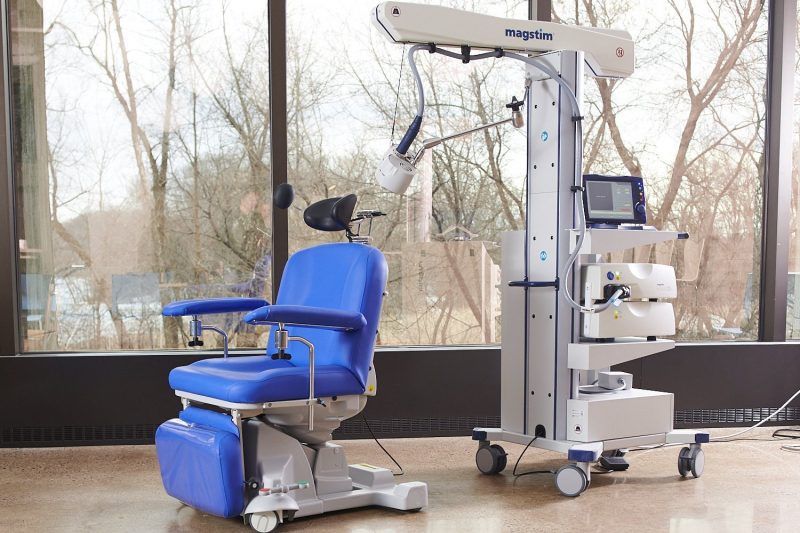
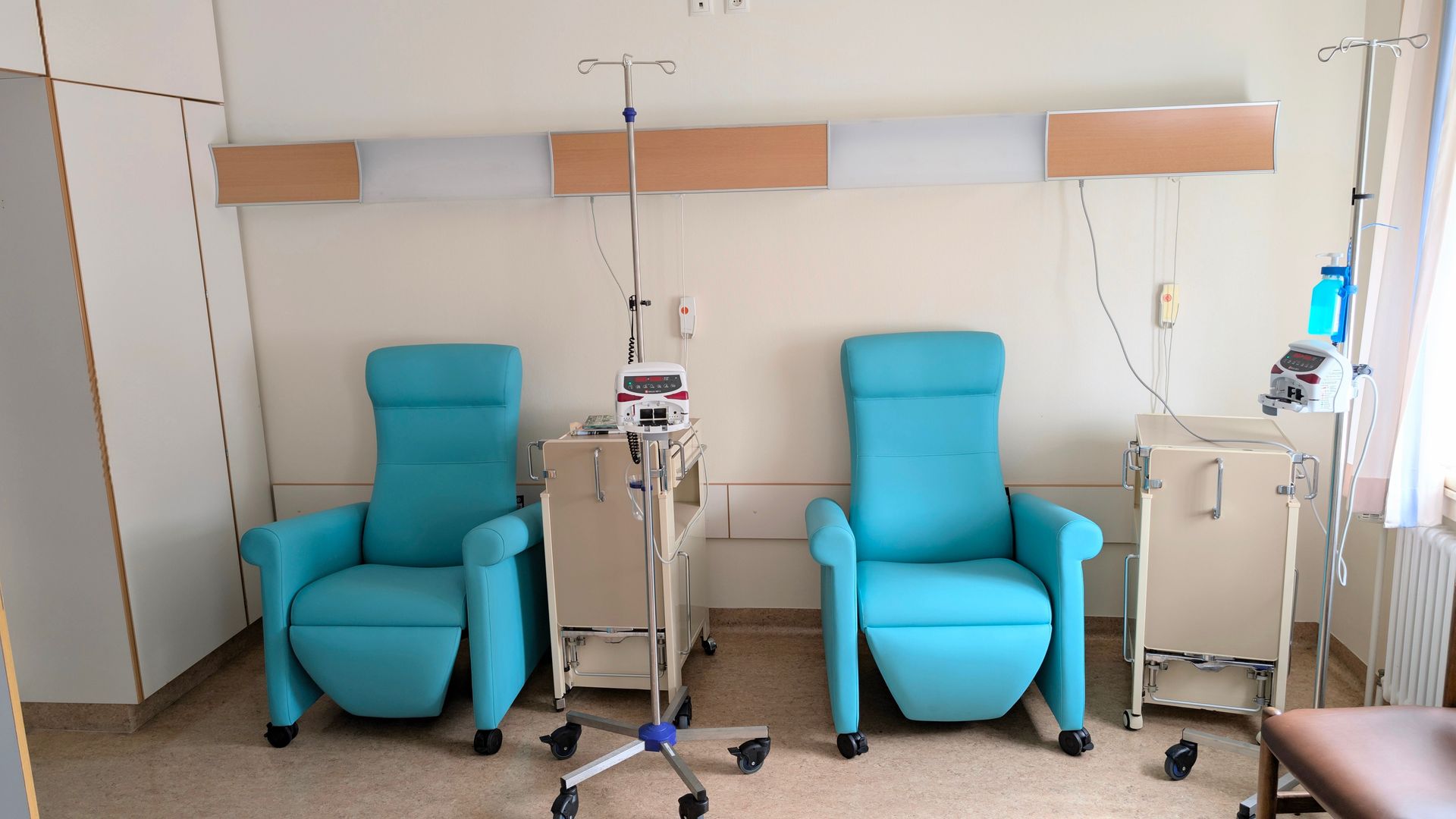



The TMS and Ketamine Clinic of Southwest Florida is deeply committed to your mental well-being. Whether you're a Fort Myers resident or commuting from the surrounding area, our experienced psychiatrist and trained mental health professionals are here to guide you toward a life of clarity and purpose. Many of our FDA-cleared mental health treatments, including TMS therapy, Ketamine infusion therapy, and SPRAVATO® esketamine treatment, are non-invasive and covered by insurance, ensuring accessible depression and anxiety treatment for those in need.
CareCredit is a health and wellness credit card that provides flexible financing options, allowing you to pay over time for the care you desire or require. Accepted at more than 260,000 locations, we are delighted to provide CareCredit to individuals in need of financial support for their TMS or Ketamine treatment. If you have any questions, please reach out to one of our team members for additional details. Also, you can easily scan the QR code displayed here to prequalify or conveniently pay your bill online.