Ketamine Infusion Side Effects: What to Expect During and After Treatment
Ketamine infusion side effects? Here is the short version.
-
What you may feel
Floaty, dizzy, blurred vision, or disconnected during the infusion—while staying awake and monitored.
-
How long effects last
Most effects peak within an hour and fade within two, though mild tiredness can linger later the same day.
-
What the visit looks like
Plan on 90 to 120 minutes at our Fort Myers office, including a roughly 45-minute IV infusion and recovery.
-
Planning your day
Arrange a driver for the ride home, clear the rest of your day, and avoid heavy machinery for at least 12 hours.
Questions about ketamine infusions? Call (239) 935-5599
Schedule a ConsultationMost ketamine infusion side effects are short-lived. During treatment you may feel floaty, dizzy, or disconnected. In NIH research on a single low-dose infusion, most effects peaked within an hour and were gone within two. Here is what to expect at our Fort Myers clinic, from the first minutes to the ride home.
If you are considering
ketamine IV infusion therapy in Fort Myers for depression that has not improved with medication, it helps to know what an appointment feels like before you book. Below, we cover the common side effects, how long they last, what the visit looks like, and who needs a closer medical look first. If you are still weighing treatments, you may also want to compare
treatment-resistant depression options and see
how ketamine infusion differs from SPRAVATO®.
What Will You Feel While the Infusion Is Running?
The effects you notice during an infusion are mostly sensory and mental: feeling strange or loopy, floating, dizziness, blurred vision, and a sense of being disconnected from your surroundings. You stay awake throughout, and you can talk, listen to music, or simply close your eyes.
A National Institutes of Health analysis (2019) gives useful detail. Researchers pooled safety data from five placebo-controlled trials that included 163 people with major depressive disorder or bipolar disorder and 25 healthy volunteers. The most common short-term effect was feeling strange or loopy. Eight effects showed up in at least half of participants: feeling strange or bizarre, feeling spacey, feeling woozy, dissociation, floating, visual distortions, difficulty speaking, and numbness.
That study looked at a single low-dose infusion, so it describes a first dose better than it describes a full treatment series. Your own experience can differ, which is why our medical team guides and monitors you during each infusion.
Here is how those effects typically unfold, based on the NIH data and what we tell patients at our clinic:
| When | What you may notice | Where it comes from |
|---|---|---|
| During the infusion | Floating, dizziness, blurred vision, visual distortions, feeling strange or disconnected | NIH, 2019, and our clinic |
| Within the first hour | Effects usually peak | NIH, 2019 |
| Within about two hours | Most effects are gone | NIH, 2019 |
| Within four hours | None of the most common effects lasted longer | NIH, 2019 |
| Later the same day | Tiredness or grogginess | Our clinic |
How long do ketamine infusion side effects last once the infusion ends?
For most people, the strongest effects fade within about two hours, and none of the most common effects in the NIH data lasted longer than four. Tiredness is the one that can linger, so plan a quiet rest of the day instead of work or tasks that need full alertness.
In the same NIH study, researchers saw no serious drug-related adverse events and no increase in ketamine cravings after a single dose, and they followed participants for three months. They also noted that the study did not address repeated infusions or long-term use. A treatment series involves repeated doses, so we reassess how you are doing after your initial series instead of assuming one study predicts your response.
Response varies from person to person. Some people notice changes early, while others need several sessions before we can judge whether treatment is helping. That is why we look at the full initial series together with you and do not decide after a single infusion.
What does a ketamine infusion visit look like from start to finish?
Plan on 90 to 120 minutes at our Winkler Road office, including a roughly 45-minute infusion. The rest of the time covers preparation before treatment and recovery afterward. Your first visit is a consultation, and infusion days follow these steps:
- Consultation first. We review your symptoms, diagnoses, medication history, physical health, and goals, then decide with you whether ketamine is appropriate before we schedule anything.
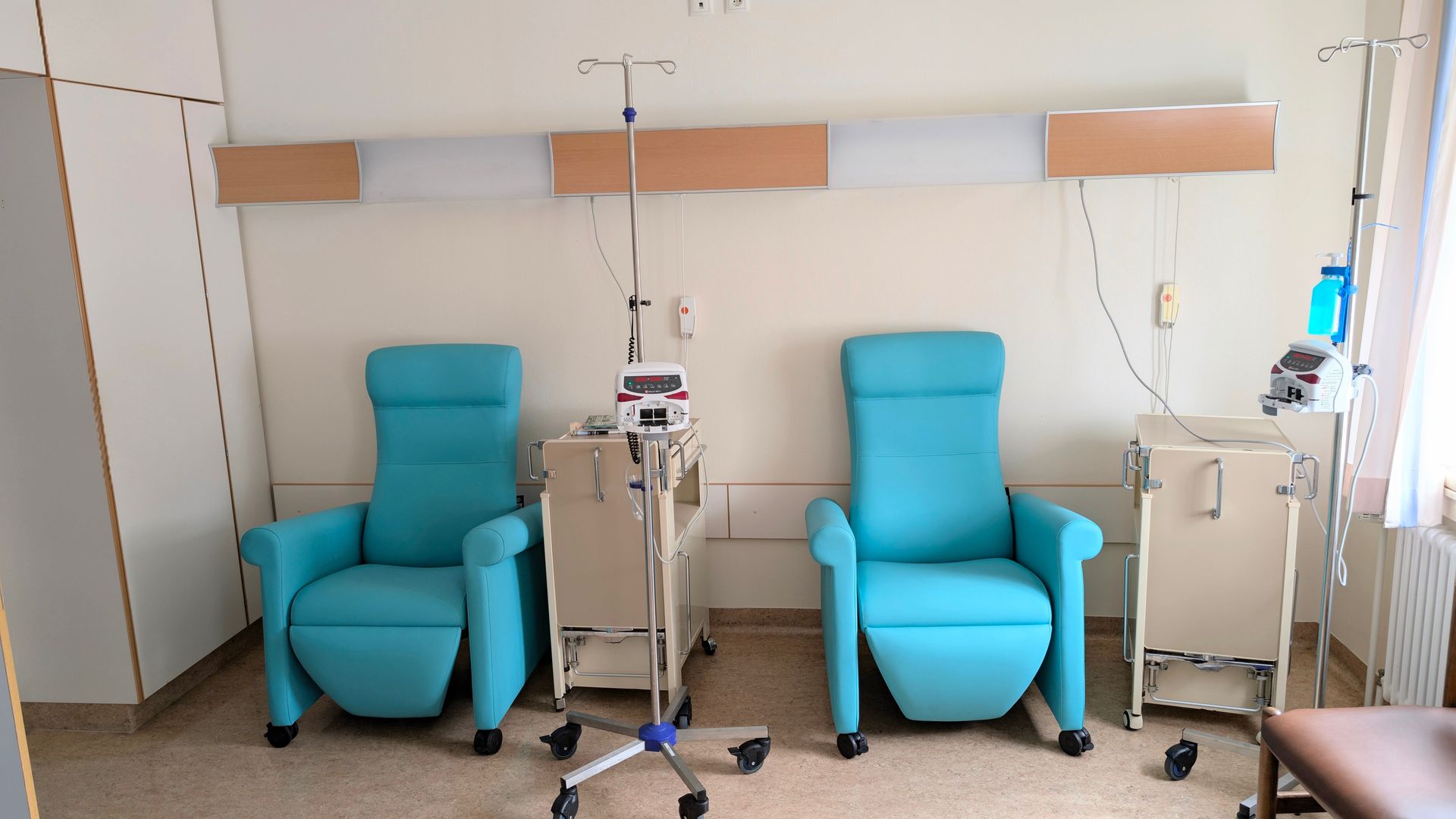
- Settling in. You get comfortable in a treatment room designed for rest, and an IV line is placed.
- The infusion. A doctor administers a carefully measured dose through the IV line, tailored to your needs and symptom severity. It lasts about 45 minutes, and our medical team guides and monitors you throughout.
- Recovery. After the infusion ends, you rest while dizziness, blurred vision, or the floating sensation settle. These effects typically subside shortly after the session.
- The ride home. Someone else needs to drive you home, and we advise avoiding heavy machinery for at least 12 hours after an infusion.
An initial series involves several infusions followed by reassessment. We typically recommend three infusions to see whether the treatment is helping you, and we adjust the plan from there based on your response.
Are there serious risks, and who needs a closer look before treatment?
Ketamine is not risk-free. The DEA lists it as a Schedule III controlled substance with potential for misuse, and it can raise heart rate and blood pressure for a short time. That is why a psychiatrist should screen you before treatment and monitor you during it.
The DEA also lists agitation and cognitive difficulties among the unwanted effects of ketamine, mostly described in non-medical use. We bring that up because you deserve the full picture before you decide, and because it is the reason dose and setting matter.
Several factors can change whether ketamine is appropriate: blood pressure, cardiovascular history, pregnancy considerations, current medications, substance use history, and certain psychiatric symptoms. We ask about all of them at your consultation, because your answers shape whether ketamine, SPRAVATO®, TMS, or a medication change is the better next step.
Being open about your history is how we keep treatment safe for you. If ketamine is not the right fit, we talk through other options, including
psychiatric medication management.
How should you prepare for your infusion day?
Arrange a ride home, clear the rest of your day, and bring a current list of your medications and questions.
- Line up a driver. You cannot drive yourself home, so ask someone you trust to bring you and take you back.
- Protect the rest of the day. Avoid heavy machinery for at least 12 hours, and skip anything that needs full alertness.
- Bring your medication list. Include doses, supplements, and the treatments you have tried before, so we can review them with you.
- Ask about appointment-day instructions. Check with us before you arrive about eating and your regular medications.
- Keep taking your medication as prescribed. Do not stop or change an antidepressant on your own. Talk with your prescriber first.
Many of our patients travel from across Lee County, so build the drive into your plan. The visit runs 90 to 120 minutes before your driver takes you home. Our office is open Monday through Friday, 10:00 am to 5:00 pm, so ask which appointment time gives your driver room for traffic and gives you room to recover.
Talk with Dr. Aslam before your first infusion
If depression has not improved with medication and you want to know what ketamine would feel like for you, start with a consultation at our Fort Myers office. We review your history, answer your questions about side effects, and talk through whether IV ketamine, SPRAVATO®, TMS, or a medication change fits.
Want a starting point first? Our confidential PHQ-9 depression screening takes a few minutes.
Questions & Answers
Frequently asked questions
Is IV ketamine FDA-approved for depression?
IV ketamine is FDA-approved as an anesthetic, but using it for depression is off-label, and the NIH describes widespread off-label use for treatment-resistant depression. Off-label prescribing is a legal part of medical practice when a clinician judges that the evidence and your circumstances support it. The FDA has approved esketamine, sold as SPRAVATO®, as a nasal spray for treatment-resistant depression, available only at a certified office or clinic, as the DEA notes.
Is ketamine addictive?
Ketamine has potential for misuse, and it is a Schedule III controlled substance. In the NIH single-dose data, researchers saw no increase in cravings, but that study did not cover repeated infusions. Treatment happens in our office under medical supervision, and we ask about your substance use history before we recommend it.
Should I keep taking my antidepressant?
Yes, keep taking your medication as prescribed until you have talked with your prescriber. Some treatments are used alongside an antidepressant and others may not be, depending on your history, so any change should be a planned decision and not a sudden stop.
What if I have questions or concerns after I go home?
Call our office at (239) 935-5599 during business hours, Monday through Friday, 10:00 am to 5:00 pm. For a medical emergency, call 911. If you are having thoughts of suicide, call or text the 988 Suicide & Crisis Lifeline.
MENTAL HEALTH SERVICES
BOOK A CONSULTATION
Knowing that you are not alone is of utmost importance. Seek assistance for depression today!
OUR SERVICE SUPPORTS MENTAL WELLNESS
- Depression
- Lack of Joy
- Sadness and Despair
- Low Mood
- Lethargy
- Insomnia
- Oversleeping
- Social Isolation
- Self-Harm
- Substance Abuse
- Suicidal Ideation
- Alcoholism