Often a good fit
Especially when depression symptoms persist despite standard treatments.
- Treatment-resistant depression
- Medication side effects are hard to tolerate
- Preference for a non-drug option
- Chronic mood symptoms needing a targeted approach
Most people feel temporary discomfort (like headache or scalp sensitivity) and return to normal activities immediately after each session.
Headache, scalp discomfort, facial twitching, mild jaw/neck tension, or brief lightheadedness.
Seizure risk is extremely low (~0.31 per 10,000 sessions). Screening reduces risk further.
Typically avoided with certain metal implants near the head, implanted electronics, or uncontrolled seizure disorders.
Tip: Comfort can often be improved by adjusting coil position or stimulation level.
Schedule a consultationTranscranial Magnetic Stimulation (TMS) is a powerful intervention for people who haven’t found relief through medication or traditional therapy. But with any treatment that involves the brain, questions about safety are completely normal. What does TMS therapy actually do? And what TMS side effects should you expect?
TMS is an FDA-approved, noninvasive therapy commonly used to treat conditions like major depressive disorder, obsessive-compulsive disorder, migraines, and treatment-resistant depression, offering new hope when other treatments haven’t worked.
The good news is that most TMS side effects are mild and temporary. Still, understanding the full picture matters. In this guide, we’ll walk through how TMS works, common and rare side effects, who may not qualify for TMS therapy, and how to determine if it’s the right fit for your mental health needs.
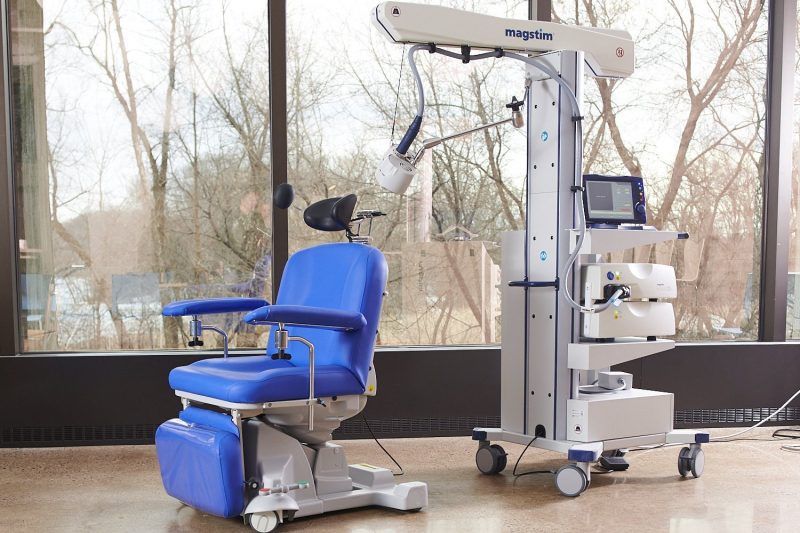
TMS therapy is a noninvasive mental health treatment that uses targeted magnetic pulses to stimulate specific areas of the brain involved in mood regulation. The treatment works by placing a magnetic coil near the scalp, which delivers controlled pulses that activate underactive brain regions linked to depression and other conditions. It does not require anesthesia, sedation, surgery, or recovery time.
TMS was first approved by the
U.S. Food and Drug Administration in 2008 for major depressive disorder, particularly for individuals who haven’t responded to traditional antidepressant medications or therapy alone. Since then, its use has expanded to include conditions such as obsessive-compulsive disorder and migraines, with ongoing research exploring additional applications across varying mental health needs.
TMS is often compared to electroconvulsive therapy (ECT), but the two treatments are very different. Unlike ECT, TMS does not use electrical currents or induce seizures, making it a gentler and more targeted approach to brain stimulation.
Read More:
Is TMS the Same as ECT?
TMS therapy works by directly stimulating specific areas of the brain that regulate mood, emotion, and cognitive function. As mentioned, a magnetic coil is placed on the scalp during treatment to deliver focused magnetic pulses to targeted brain regions. These pulses typically stimulate the prefrontal cortex, an area that is often underactive in individuals living with depression.
When these regions are activated, brain cells begin firing more efficiently. This process encourages the release of neurotransmitters like serotonin and dopamine, which play an essential role in mood balance and emotional well-being. Over time, repeated stimulation helps strengthen communication between brain cells.
Research shows that TMS therapy also promotes neuroplasticity. Neuroplasticity is the brain’s ability to reorganize and form new neural connections. By reinforcing healthier activity patterns, TMS helps “reset” dysfunctional circuits linked to depression and other mental health conditions.
Keep Reading:
Different TMS Protocols for Mental Health Treatment
Like most medical treatments, TMS therapy can cause side effects. Thankfully, these side effects are typically mild, temporary, and manageable. Most people continue normal activities right after treatment, and initial side effect symptoms often improve as the body adjusts to therapy.
The most commonly reported side effects include:
Clinical studies confirm that the side effects of TMS therapy are usually mild to moderate and tend to decrease over time with repeated sessions. Most resolve within hours or days. Providers can also adjust stimulation levels or positioning to improve comfort, helping ensure a safe and tolerable treatment experience.
Most effects are temporary and often improve as your body adjusts to treatment.
Many patients resume normal activities immediately after treatment.
Comfort can often be improved by adjusting coil position or stimulation level.
Thorough screening helps minimize risk before starting treatment.
Serious side effects from TMS therapy are highly uncommon. Still, understanding potential risks can help you make informed decisions and feel more confident about starting treatment.
One of the most serious, though extremely rare, risks is seizure. Research shows the likelihood is very low, with studies reporting about 0.31 seizures per 10,000 treatment sessions.
When seizures do occur, they are typically brief and manageable with appropriate medical care. Certain factors may increase your risk of seizure, including sleep deprivation, alcohol use, medication changes, or preexisting neurological conditions like a head injury or seizure conditions.
Other rare side effects may include:
At our TMS clinic in Fort Myers, Florida, our team will conduct a thorough evaluation to screen every patient’s medical history to minimize any potential risks. While the potential side effects of TMS may sound scary to some, we hope you can take comfort in knowing they’re extremely uncommon. And the common ones are very easy to manage. Our team is here to answer any questions you have and will support you every step of the way.
TMS therapy can be a life-changing option for individuals who haven’t found relief through traditional mental health treatments. It’s especially helpful for those living with treatment-resistant depression, where symptoms persist despite trying medications or psychotherapy.
TMS may also be a good fit for people who experience significant medication side effects or prefer a non-drug approach to improving their mental health. Individuals managing chronic mood disorders or ongoing depressive symptoms often benefit from the targeted, brain-based approach TMS therapy provides.
While TMS therapy is safe for many people, it isn’t appropriate for everyone. A thorough medical evaluation helps guarantee treatment is both safe and effective before starting therapy.
TMS may not be recommended for:
A personalized medical assessment helps our team of TMS experts identify potential risks, guide treatment decisions, and ensure the safest possible care.
Especially when depression symptoms persist despite standard treatments.
Magnetic stimulation can interact with certain implants or conditions.
For many individuals, TMS therapy is a safe and well-tolerated treatment that offers meaningful relief from difficult mental health symptoms. Most side effects are mild, temporary, and manageable, and careful screening helps ensure the treatment is appropriate for each patient before therapy begins.
If you’re considering TMS, a personalized evaluation is the best place to start. Southwest Florida TMS & Ketamine Clinic provides expert guidance, tailored treatment plans, and compassionate care every step of the way.
Schedule a consultation today to learn whether TMS therapy is the right path for you.
Quick answers about TMS side effects, safety, and what to expect.
Knowing that you are not alone is of utmost importance. Seek assistance for depression today!




The TMS and Ketamine Clinic of Southwest Florida is deeply committed to your mental well-being. Whether you're a Fort Myers resident or commuting from the surrounding area, our experienced psychiatrist and trained mental health professionals are here to guide you toward a life of clarity and purpose. Many of our FDA-cleared mental health treatments, including TMS therapy, Ketamine infusion therapy, and SPRAVATO® esketamine treatment, are non-invasive and covered by insurance, ensuring accessible depression and anxiety treatment for those in need.
CareCredit is a health and wellness credit card that provides flexible financing options, allowing you to pay over time for the care you desire or require. Accepted at more than 260,000 locations, we are delighted to provide CareCredit to individuals in need of financial support for their TMS or Ketamine treatment. If you have any questions, please reach out to one of our team members for additional details. Also, you can easily scan the QR code displayed here to prequalify or conveniently pay your bill online.