What is Transcranial Magnetic Stimulation?
Transcranial Magnetic Stimulation (TMS) is a non-invasive therapy offering hope to individuals who have struggled to find relief through medications or therapy alone. In this article, we’ll explore what TMS is and why it’s a safe, effective option for addressing various mental health challenges.
Understanding TMS?
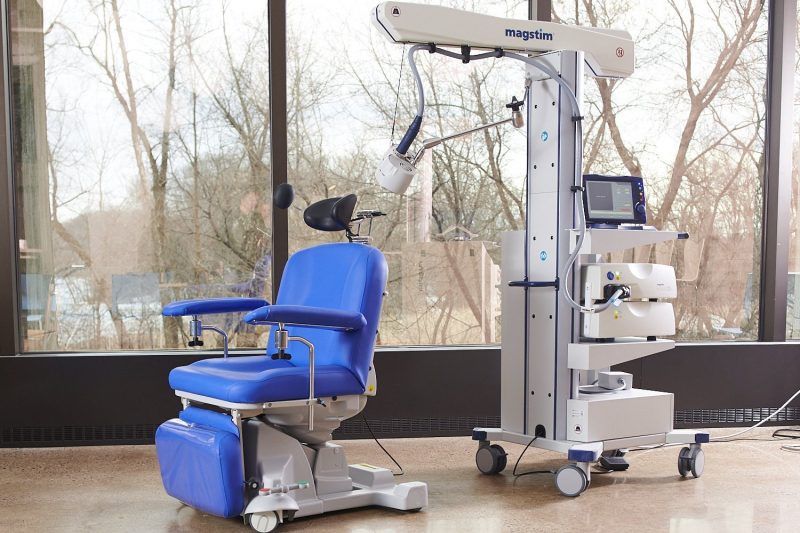
TMS is an innovative mental health treatment that uses magnetic fields to stimulate nerve cells in the brain. TMS is often mistaken for electroconvulsive therapy (ECT), which delivers electrical shocks to the brain. However, unlike ECT, TMS is non-invasive and does not require surgery or anesthesia. Instead, a magnetic coil is placed over specific areas of the brain, delivering magnetic pulses for 30 to 60 minutes. Patients may feel a mild tapping sensation and are generally safe to drive home afterward.
TMS was approved by the USA Food & Drug Administration (FDA) in 2008 for major depressive disorder (MDD). However, it has since expanded to treat conditions such as obsessive-compulsive disorder (OCD),migraines, and even smoking cessation. It’s particularly effective for people who haven’t responded to traditional antidepressants, providing new hope to those living with treatment-resistant depression (TRD).
How Does TMS Work?
TMS works by using a coil device to deliver magnetic pulses to targeted areas of the brain. These pulses target regions like the prefrontal cortex, which is often underactive in people with depression. The stimulation encourages neurons to fire, enhancing the release of neurotransmitters such as serotonin, dopamine, and glutamate, which are essential for regulating mood and emotions.
TMS also promotes neuroplasticity, the brain’s ability to form new neural connections. By enhancing communication between brain cells, TMS helps "reset" dysfunctional brain circuits associated with depression and other mental health conditions. This rewiring process fosters long-term improvements in emotional regulation and cognitive function.
How Effective is TMS?
Studies indicate that TMS is highly effective, particularly for individuals with TRD. Research indicates that approximately 50–60% of patients with TRD experience significant symptom improvement following TMS treatment.
In a large study involving 1,753 patients with depression, over 72% experienced significant symptom relief, and more than 58% achieved remission, meaning they no longer met the criteria for depression or only had very mild symptoms.
Unlike ketamine therapy, the effects of TMS can take a while to show. Most individuals undergoing TMS notice clinical improvements within two to four weeks of starting treatment. However, the benefits are long-lasting and may be sustained for up to seven months following a course of treatment.
Safety of TMS
TMS is generally well-tolerated, with minimal side effects. Commonly reported issues include:
- Mild scalp discomfort or headaches during sessions (temporary).
- Lightheadedness after treatment.
Serious side effects are exceedingly rare, though there have been isolated cases of seizures, mania, and hearing loss associated with TMS.
Unlike antidepressants, TMS does not cause systemic side effects such as weight gain, nausea, or sexual dysfunction. This makes it an appealing option for those who struggle with medication side effects.
How Much Does TMS Cost?
TMS sessions typically cost between $200 and $400 each. With a full course of treatment requiring 30 to 40 sessions, the overall cost of TMS can be extremely expensive. Since TMS is FDA-approved, many insurance plans cover the treatment. Patients may still be responsible for co-pays and expenses related to consultations and follow-up appointments; however, these costs vary depending on individual insurance policies.
At our TMS and Ketamine Clinic of Southwest Florida, we accept certain insurance providers and have affordable payment options available. We will work with you to help you understand your insurance options and develop a plan to meet your financial needs.
Discover TMS at Southwest Florida
If you’re struggling with severe depression or anxiety, the Southwest Florida TMS & Ketamine Clinic in Fort Myers may offer the solution you need. Our state-of-the-art clinic provides TMS therapy, as well as other evidence-based treatments, to help individuals struggling with difficult-to-treat mental health challenges. Our compassionate team of specialists will ensure you receive tailored care in a welcoming and supportive environment.
Schedule your appointment today and discover how Southwest Florida TMS can help you reclaim your mental well-being. Call today or book online to begin your journey toward lasting relief!
MENTAL HEALTH SERVICES
BOOK A CONSULTATION
Knowing that you are not alone is of utmost importance. Seek assistance for depression today!
OUR SERVICE SUPPORTS MENTAL WELLNESS
- Depression
- Lack of Joy
- Sadness and Despair
- Low Mood
- Lethargy
- Insomnia
- Oversleeping
- Social Isolation
- Self-Harm
- Substance Abuse
- Suicidal Ideation
- Alcoholism